
Activated Carbon Price Overview — Understanding Market Pricing
Quick Answer: How Much Does Activated Carbon Cost?
Activated carbon prices vary widely depending on raw material, activation method, adsorption capacity, particle size, application, packaging, order quantity, and shipping terms.
Industrial buyers typically evaluate activated carbon pricing based on:
- Price per kilogram (kg)
- Price per metric ton (MT)
- FOB export price
- CIF delivered price
- Technical specifications such as iodine number and moisture content
A low-cost activated carbon product may not always provide the best value because adsorption performance, service life, and replacement frequency directly affect the total operating cost.
For bulk industrial procurement, buyers should compare price together with technical specifications and supplier reliability.
Table of Contents
- Activated Carbon Price Overview
- Activated Carbon Price Per Kg and Per Ton
- Factors Affecting Activated Carbon Cost
- Coconut Shell Activated Carbon Price Factors
- Activated Carbon Price by Specification
- FOB vs CIF Activated Carbon Pricing
- Activated Carbon Shipping and Container Economics
- How to Compare Activated Carbon Supplier Quotations
- Activated Carbon Market Trends 2026
- Request Activated Carbon Bulk Pricing from Moon Bright Resources
1. Introduction: Why Activated Carbon Prices Differ
Activated carbon is not a single standardized commodity. Unlike simple industrial materials where price comparisons are straightforward, activated carbon performance depends heavily on its physical and chemical properties.
Two products may both be called “activated carbon” but have very different market values.
For example:
- Coconut shell activated carbon with high iodine value for drinking water purification
- Coal-based activated carbon for industrial wastewater
- Powder activated carbon for chemical processing
- Gold recovery activated carbon for mining applications
Each product is designed for a different purpose and therefore has a different cost structure.
A buyer comparing only the lowest quotation may unknowingly purchase carbon with:
- Lower adsorption capacity
- Higher ash content
- Excess moisture
- Poor hardness
- Shorter operational life
For industrial users, the real question is not:
“What is the cheapest activated carbon?”
The better question is:
“Which activated carbon provides the lowest cost per unit of contaminant removed?”
2. Main Factors Determining Activated Carbon Price
2.1 Raw Material Source
The raw material is one of the largest contributors to activated carbon pricing.
Common raw materials include:
Coconut Shell Activated Carbon
Coconut shell carbon is generally considered a premium activated carbon because it develops a highly microporous structure.
Common applications:
- Drinking water filtration
- Gold recovery
- Food purification
- Pharmaceutical processing
- Air purification
Advantages:
- High iodine number
- High hardness
- Excellent micropore development
- Low dust generation
Because of these properties, coconut shell activated carbon usually commands a higher market price compared with some coal-based alternatives.
Coal-Based Activated Carbon
Coal activated carbon is widely used for:
- Industrial wastewater treatment
- Chemical processing
- Gas purification
- Solvent recovery
Advantages:
- Larger pore structure
- Good adsorption of larger molecules
- Cost-effective for many industrial applications
Wood-Based Activated Carbon
Wood activated carbon is commonly used for:
- Decolorization
- Food processing
- Liquid purification
It often has:
- Higher mesoporosity
- Better performance for larger organic molecules
3. Activation Process and Its Impact on Price
Activated carbon production requires converting carbon-rich materials into a highly porous adsorption media.
The two major production methods are:
Steam Activation
Steam activation uses high-temperature steam to create internal pores.
Advantages:
- Suitable for coconut shell carbon
- Produces high adsorption capacity
- Environmentally preferred process
Chemical Activation
Chemical activation uses chemical agents to develop pore structures.
Common chemicals include:
- Phosphoric acid
- Potassium hydroxide
- Zinc chloride
Applications:
- Specialty activated carbon
- High surface area carbon
- Powder carbon products
Chemical activation often increases production complexity and therefore affects pricing.
4. Why Specification Matters More Than Price Alone
Industrial buyers should evaluate activated carbon using technical parameters.
Important specifications include:
Iodine Number
Iodine number measures the adsorption capacity of micropores.
Higher iodine values generally indicate:
- Higher adsorption capacity
- Better performance for small molecules
- Premium product grade
Common commercial grades:
- 500 mg/g
- 800 mg/g
- 900 mg/g
- 1000 mg/g
- 1200+ mg/g
Moisture Content
Moisture affects:
- Actual carbon quantity received
- Storage stability
- Transportation cost
Higher moisture means buyers may receive less active carbon per kilogram purchased.
Ash Content
Ash represents inorganic mineral residue.
Lower ash content is usually preferred for:
- Drinking water applications
- Food processing
- Pharmaceutical applications
Bulk Density
Bulk density influences:
- Filter design
- Transportation efficiency
- Replacement calculations
5. Understanding Activated Carbon Market Pricing
Activated carbon prices are influenced by:
Supply and Demand
Factors include:
- Water treatment demand
- Environmental regulations
- Industrial filtration growth
- Raw material availability
Energy Costs
Production requires:
- High-temperature furnaces
- Steam generation
- Drying processes
Energy prices directly affect manufacturing costs.
Export Logistics
For international buyers, final cost depends on:
- Origin country
- Freight rates
- Container availability
- Destination port
- Incoterms
Procurement Insight
A professional activated carbon buyer should request:
✅ Technical Data Sheet (TDS)
✅ Certificate of Analysis (COA)
✅ Safety Data Sheet (SDS)
✅ Product specification confirmation
✅ Packing details
✅ FOB/CIF quotation
This allows accurate supplier comparison.
Moon Bright Resources Buyer Guidance
Moon Bright Resources supports industrial buyers by helping evaluate activated carbon based on:
- Application requirements
- Required iodine number
- Particle size
- Packaging requirements
- Export destination
- Delivery terms
Rather than focusing only on the lowest quotation, buyers can select activated carbon optimized for performance and total operating cost.
Activated Carbon Price 2026: Bulk Cost, Price Per Ton & Supplier Guide
Chapter 2: Activated Carbon Price Per Kg and Per Ton — Bulk Pricing Explained for Industrial Buyers
Quick Answer: How Is Activated Carbon Usually Priced?
Activated carbon is commonly quoted in the industrial market using:
- Price per kilogram (USD/kg)
- Price per metric ton (USD/MT)
- FOB port price
- CIF destination port price
The final activated carbon price depends on:
- Carbon type (coconut shell, coal, wood)
- Iodine number
- Particle size
- Application grade
- Packaging
- Order volume
- Origin country
- Shipping destination
For international procurement, buyers should always compare quotations using the same technical specification and Incoterm.
1. Activated Carbon Price Per Kg
Many smaller buyers and distributors compare activated carbon based on cost per kilogram.
The calculation is simple:
Activated Carbon Price Per Kg = Total Product Cost ÷ Total Weight
Example:
A shipment quotation:
- Product value: USD 25,000
- Quantity: 20,000 kg
Calculation:
USD 25,000 ÷ 20,000 kg = USD 1.25/kg
However, the price per kilogram alone does not determine value.
A carbon product with:
- Higher iodine number
- Lower moisture
- Better hardness
- Higher adsorption capacity
may deliver better performance even at a higher purchase price.
2. Activated Carbon Price Per Ton
Industrial buyers typically purchase activated carbon by metric ton.
A metric ton equals:
1 MT = 1,000 kg
Therefore:
If activated carbon costs:
USD 1.20/kg
The equivalent price per ton is:
USD 1,200/MT
Bulk activated carbon pricing is usually more competitive because manufacturers can optimize:
- Production scheduling
- Packaging
- Container loading
- Export documentation
- Logistics
3. Typical Activated Carbon Price Categories
The following ranges represent general market positioning. Actual quotations vary depending on specifications and market conditions.
Standard Industrial Activated Carbon
Applications:
- General water treatment
- Industrial filtration
- Wastewater treatment
Characteristics:
- Medium adsorption capacity
- Standard particle sizes
- Commercial grades
Pricing position:
Economy to mid-range
Coconut Shell Activated Carbon
Applications:
- Drinking water purification
- Air purification
- Gold recovery
- Food processing
Characteristics:
- High microporosity
- High iodine value
- Strong hardness
Pricing position:
Mid-range to premium
High Iodine Activated Carbon
Applications:
- Advanced purification
- Specialty filtration
- High-performance adsorption
Characteristics:
- High surface area
- Greater adsorption capacity
- Strict quality control
Pricing position:
Premium
4. Coconut Shell Activated Carbon Price Factors
Coconut shell activated carbon is one of the most searched commercial categories because buyers associate it with high-performance filtration.
Search terms commonly used by procurement teams include:
- Coconut Shell Activated Carbon Price
- Coconut Shell Activated Carbon Supplier
- Coconut Shell Carbon Price Per Ton
- High Iodine Coconut Shell Activated Carbon
Factor 1: Iodine Number
The iodine value is one of the biggest pricing factors.
Example comparison:
| Grade | Application | Price Impact |
|---|---|---|
| 500–700 mg/g | General filtration | Lower |
| 800–900 mg/g | Industrial water treatment | Medium |
| 1000 mg/g | Premium purification | Higher |
| 1200+ mg/g | Specialty applications | Premium |
Higher iodine numbers usually require:
- Better raw material selection
- More controlled activation
- Additional quality testing
Factor 2: Particle Size
Activated carbon is available in different forms:
Granular Activated Carbon (GAC)
Common sizes:
- 4×8 mesh
- 8×16 mesh
- 12×40 mesh
Applications:
- Water filters
- Gas purification
- Industrial columns
Powder Activated Carbon (PAC)
Characteristics:
- Fine particles
- Fast adsorption rate
Applications:
- Chemical processing
- Food industries
- Liquid purification
Powder grades may have different pricing due to:
- Grinding requirements
- Handling characteristics
- Packaging needs
Factor 3: Packaging Requirements
Packaging affects the final activated carbon cost.
Common export packaging:
25 kg Bags
Used for:
- Smaller industrial buyers
- Distributors
- Laboratory applications
500 kg Jumbo Bags
Advantages:
- Lower packaging cost
- Efficient container loading
- Preferred for bulk users
Customized Packaging
May include:
- Private labeling
- Customer branding
- Special export requirements
5. Bulk Activated Carbon Pricing for Container Orders
International buyers commonly purchase:
- 1 container
- Multiple containers
- Annual supply contracts
Bulk purchasing advantages:
✅ Lower unit cost
✅ Better production planning
✅ Stable supply
✅ Reduced logistics cost per ton
A professional RFQ should include:
- Product grade
- Iodine number
- Mesh size
- Quantity required
- Destination port
- Required Incoterm
Example RFQ:
“Request quotation for 20 MT coconut shell activated carbon, iodine value 1000 mg/g, 8×16 mesh, packed in 25 kg bags, CIF Lagos port.”
This allows suppliers to provide accurate pricing.
6. Why Activated Carbon Price Quotes Differ Between Suppliers
Two suppliers may quote different prices because they may not be offering identical products.
Important comparison points:
| Item | Supplier A | Supplier B |
|---|---|---|
| Iodine Number | 800 mg/g | 1000 mg/g |
| Moisture | 8% | 5% |
| Ash | 8% | 3% |
| Packaging | Standard | Export grade |
| Documentation | Limited | COA + TDS + SDS |
The cheaper quotation may not represent the better purchase.
Buyer Checklist Before Accepting Activated Carbon Pricing
Before purchasing, confirm:
✅ Product specification
✅ Raw material source
✅ Iodine number
✅ Moisture percentage
✅ Ash content
✅ Bulk density
✅ Mesh size
✅ COA availability
✅ Packing method
✅ Shipping terms
Moon Bright Resources Procurement Support
Moon Bright Resources provides activated carbon buyers with technical information required for international sourcing, including:
- Product specifications
- COA documentation
- TDS sheets
- Export packaging options
- Bulk quotation support
Buyers can request pricing based on their exact application rather than receiving a generic quotation.
Factors Affecting Activated Carbon Cost — Raw Materials, Production Methods & Market Drivers
Quick Answer: Why Does Activated Carbon Cost Vary?
Activated carbon pricing is influenced by several interconnected factors, including raw material availability, activation technology, energy consumption, product specifications, testing requirements, packaging, and global logistics costs.
Unlike standard commodities, activated carbon is a performance-based filtration material. The final price reflects not only the weight of carbon supplied but also its adsorption capacity, purity, durability, and suitability for specific applications.
Industrial buyers should evaluate activated carbon based on cost per unit of performance, not only the lowest purchase price.
1. Raw Material Source: The Foundation of Activated Carbon Pricing
The starting material used to produce activated carbon significantly influences the final market price.
The three main raw materials are:
- Coconut shell
- Coal
- Wood
Each produces activated carbon with different pore structures and performance characteristics.
1.1 Coconut Shell Activated Carbon Cost Factors
Coconut shell activated carbon is considered a premium carbon because coconut shells naturally develop a high microporous structure after activation.
Common applications:
- Drinking water purification
- Household water filters
- Gold recovery
- Air purification
- Food processing
- Pharmaceutical purification
Factors influencing coconut shell carbon pricing:
Coconut Shell Availability
Production costs depend on:
- Coconut harvest volumes
- Geographic availability
- Seasonal supply variations
- Transportation from farming regions
Major coconut-producing regions often have advantages because raw material transportation costs are lower.
Raw Material Quality
Not all coconut shells produce identical activated carbon.
Important characteristics:
- Carbon content
- Moisture level
- Shell hardness
- Contamination levels
Higher-quality raw materials produce:
- Better pore development
- Higher adsorption capacity
- More consistent batches
Processing Requirements
Premium coconut shell activated carbon requires:
- Controlled carbonization
- Precise activation temperature
- Quality monitoring
- Laboratory testing
These additional controls increase production costs but improve product reliability.
1.2 Coal-Based Activated Carbon Cost Factors
Coal-based activated carbon remains widely used because of its versatility and competitive pricing.
Applications:
- Industrial wastewater treatment
- Chemical processing
- Gas purification
- Industrial filtration
Pricing depends on:
- Coal quality
- Mineral content
- Activation efficiency
- Required pore structure
Coal activated carbon can be more economical for applications where extremely high microporosity is not required.
1.3 Wood-Based Activated Carbon Cost Factors
Wood-based activated carbon is commonly selected for liquid-phase applications requiring larger pore structures.
Applications:
- Sugar decolorization
- Food processing
- Chemical purification
Cost factors include:
- Wood source
- Processing method
- Particle size requirements
- Purity requirements
2. Activation Method and Production Cost
The activation process determines the internal pore structure of activated carbon.
Two major methods dominate industrial production:
2.1 Steam Activation Cost Impact
Steam activation is widely used for:
- Coconut shell activated carbon
- Coal activated carbon
- Granular activated carbon
The process involves:
- Carbonization
- High-temperature treatment
- Steam exposure
- Cooling
- Screening
- Quality testing
Cost drivers:
- Energy consumption
- Furnace operation
- Steam generation
- Production time
Higher activation control usually results in:
- Better adsorption capacity
- Higher iodine values
- Premium pricing
2.2 Chemical Activation Cost Impact
Chemical activation uses activating agents to create desired pore structures.
Common activating agents:
- Phosphoric acid
- Potassium hydroxide
- Zinc chloride
Additional costs come from:
- Chemical consumption
- Washing processes
- Waste treatment
- Environmental controls
Chemical activated carbon is often used for specialized applications requiring specific adsorption characteristics.
3. Energy Costs and Their Effect on Activated Carbon Prices
Activated carbon manufacturing is energy-intensive.
Production requires:
- High-temperature furnaces
- Drying systems
- Grinding equipment
- Screening systems
Energy costs influence:
- Manufacturing cost
- Factory operating expenses
- Export pricing
When energy prices increase globally, activated carbon prices may rise due to increased production expenses.
4. Activated Carbon Specification Premiums
Higher-performance activated carbon generally commands higher prices.
Important specification factors include:
4.1 Iodine Number
Iodine number is one of the most important commercial indicators.
Higher iodine values usually indicate:
- Greater micropore volume
- Higher adsorption capacity
- Better performance for small molecules
Example:
A 1000 mg/g iodine carbon will typically cost more than a standard 600 mg/g grade because of:
- Higher processing requirements
- Better adsorption performance
- More demanding quality control
4.2 Ash Content
Ash represents inorganic material remaining after combustion.
Lower ash carbon is often preferred for:
- Drinking water
- Food applications
- Pharmaceutical processing
Achieving lower ash levels may require:
- Better raw materials
- Additional processing
- More testing
4.3 Moisture Content
Moisture affects:
- Actual carbon delivered
- Storage stability
- Transportation efficiency
Export buyers often request specific moisture limits because excessive moisture increases shipping cost without increasing adsorption capacity.
4.4 Hardness and Abrasion Resistance
Hardness determines how well activated carbon survives:
- Transportation
- Backwashing
- Filter operation
Higher hardness reduces:
- Carbon dust
- Product loss
- Replacement frequency
Premium grades often have better mechanical strength.
5. Quality Testing and Documentation Costs
Industrial buyers increasingly require documentation before approving suppliers.
Common documents include:
Certificate of Analysis (COA)
Confirms:
- Batch quality
- Test results
- Product conformity
Technical Data Sheet (TDS)
Provides:
- Product specifications
- Application information
- Recommended uses
Safety Data Sheet (SDS)
Provides:
- Handling information
- Storage requirements
- Safety instructions
Additional laboratory testing increases supplier costs but improves buyer confidence.
6. Packaging and Export Requirements
Packaging directly affects the final activated carbon price.
Common packaging:
25 kg Bags
Advantages:
- Easy handling
- Suitable for distributors
- Smaller purchase quantities
Jumbo Bags (500 kg–1000 kg)
Advantages:
- Lower packaging cost
- Efficient container utilization
- Preferred by large industrial users
Customized Export Packaging
May include:
- Customer branding
- Special labels
- Regulatory markings
Customization may increase costs but supports long-term supply agreements.
7. Global Supply Chain Factors
International activated carbon pricing is also affected by:
Freight Costs
Factors:
- Container availability
- Fuel prices
- Destination distance
- Port conditions
Currency Exchange Rates
Export prices may change due to:
- Currency fluctuations
- Manufacturing cost changes
- International payment conditions
Regional Demand
Growing demand from:
- Water treatment
- PFAS removal
- Industrial purification
- Mining operations
can influence global pricing trends.
Procurement Insight: How Buyers Should Compare Activated Carbon Prices
A professional buyer should compare:
| Factor | Why It Matters |
|---|---|
| Raw material | Determines pore structure |
| Iodine number | Indicates adsorption capacity |
| Moisture | Affects actual carbon value |
| Ash content | Indicates purity |
| Hardness | Determines operational life |
| COA availability | Confirms quality |
| Shipping terms | Determines landed cost |
Moon Bright Resources Supplier Positioning
Moon Bright Resources supports buyers by providing activated carbon solutions based on:
- Required application
- Technical specifications
- Quantity requirements
- Export destination
- Documentation needs
Instead of comparing only the lowest price, industrial buyers can evaluate activated carbon based on performance, reliability, and total procurement value.
Chapter 4: Coconut Shell Activated Carbon Price Factors — Why Premium Carbon Costs More
Expert Insight: Why Buyers Pay More for Coconut Shell Activated Carbon
Industry Perspective:
Experienced activated carbon buyers understand that price alone does not determine procurement value. Coconut shell activated carbon often commands a premium because its natural pore structure provides exceptional micropore development, adsorption efficiency, hardness, and durability.
For applications such as drinking water purification, air treatment, solvent recovery, and gold recovery, the cheapest carbon may create higher operating costs due to:
- Faster saturation
- More frequent replacement
- Higher carbon consumption
- Increased disposal requirements
A higher-quality activated carbon supplier focuses on adsorption performance per kilogram, not simply the lowest selling price.
Quick Answer: Why Is Coconut Shell Activated Carbon More Expensive?
Coconut shell activated carbon is generally priced higher because of:
- Premium raw material characteristics
- Higher activation control requirements
- High micropore development
- Strong mechanical durability
- Lower ash content compared with many alternatives
- Demand from high-performance applications
The final price depends on:
- Iodine number
- Mesh size
- Moisture content
- Ash percentage
- Hardness
- Packaging
- Order volume
- Shipping destination
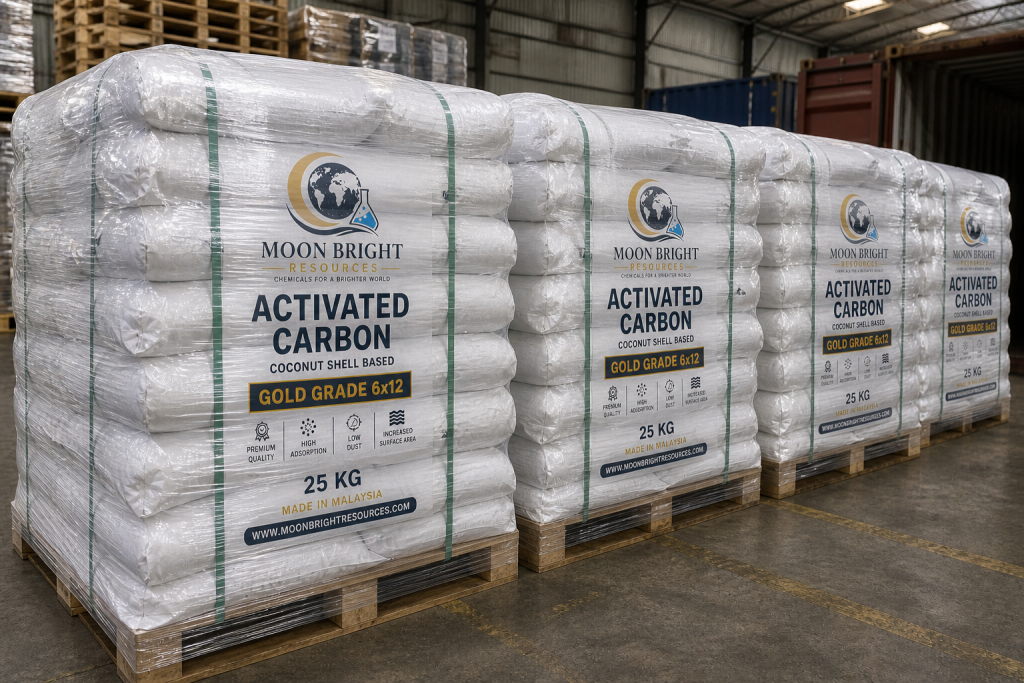
1. Coconut Shell Activated Carbon: A Premium Activated Carbon Category
Activated carbon made from coconut shells has become one of the most widely recognized premium filtration materials.
Unlike many carbon sources, coconut shells naturally contain a dense carbon structure that develops a highly microporous network after activation.
This makes coconut shell carbon especially effective for adsorption of:
- Chlorine
- Volatile organic compounds (VOCs)
- Organic impurities
- Odor compounds
- Certain dissolved contaminants
Expert Insight: Micropores Are the Main Value Driver
Technical viewpoint:
Activated carbon performance is determined by pore structure:
- Micropores (<2 nm) → adsorption of small molecules
- Mesopores (2–50 nm) → adsorption of medium-sized molecules
- Macropores (>50 nm) → transport channels
Coconut shell activated carbon typically develops a high proportion of micropores.
This makes it highly suitable for:
- Drinking water treatment
- Gas purification
- Air filtration
- Gold recovery applications
The price premium is therefore linked to performance characteristics, not simply the raw material.
2. Raw Material Availability and Cost
The first factor affecting coconut shell activated carbon price is the availability and quality of coconut shells.
Major Cost Influences:
Geographic Location
Coconut shells are sourced from coconut-producing regions.
Factors include:
- Agricultural output
- Collection networks
- Transportation distance
- Seasonal availability
A stable raw material supply allows manufacturers to maintain consistent pricing.
Raw Material Preparation
Before activation, coconut shells undergo:
- Cleaning
- Drying
- Size reduction
- Carbonization preparation
Poor-quality raw materials can lead to:
- Lower adsorption capacity
- Higher ash levels
- Inconsistent batches
Premium manufacturers invest heavily in raw material selection.
3. Iodine Number and Activated Carbon Pricing
The iodine number is one of the most important commercial specifications affecting coconut shell activated carbon price.
What Is Iodine Number?
Iodine number measures the adsorption capacity of activated carbon for small molecules.
It is commonly expressed as:
mg/g iodine adsorption capacity
Typical Commercial Grades
| Iodine Number | Market Position |
|---|---|
| 600–800 mg/g | Standard industrial grade |
| 800–900 mg/g | General purification grade |
| 900–1000 mg/g | Premium filtration grade |
| 1000–1200+ mg/g | High-performance grade |
Expert Insight: Why Higher Iodine Carbon Costs More
Increasing iodine number usually requires:
- Better raw material selection
- Optimized activation conditions
- More production control
- Additional laboratory testing
However, higher iodine carbon may reduce operating costs because it can remove more contaminants per kilogram of carbon.
4. Activation Temperature and Production Control
Producing high-quality coconut shell activated carbon requires precise process management.
Important production stages:
Carbonization
Converts coconut shell into carbon-rich material.
Control factors:
- Temperature
- Heating rate
- Residence time
Activation
Creates the internal pore structure.
Control factors:
- Steam flow
- Temperature profile
- Activation duration
Screening and Classification
After activation:
- Carbon is crushed
- Screened
- Classified by particle size
Common sizes:
- 4×8 mesh
- 8×16 mesh
- 12×40 mesh
- Powder grades
5. Particle Size and Price Differences
Particle size influences both application performance and production cost.
Granular Activated Carbon (GAC)
Common applications:
- Water filters
- Industrial treatment systems
- Gas purification
Advantages:
- Longer service life
- Lower pressure drop
- Reusable in some systems
Powder Activated Carbon (PAC)
Common applications:
- Food processing
- Chemical purification
- Batch treatment systems
Advantages:
- Faster adsorption
- Higher surface contact area
Different processing requirements influence pricing.
6. Hardness and Mechanical Strength
Premium coconut shell activated carbon is valued for its hardness.
Hardness affects:
- Transportation durability
- Filter operation
- Carbon loss
- Dust formation
Low-quality carbon may:
- Break during shipment
- Generate excessive fines
- Reduce filtration efficiency
Expert Insight: The Hidden Cost of Cheap Carbon
A lower-priced activated carbon may appear attractive initially, but buyers should consider:
Total Cost = Purchase Price + Replacement Cost + Downtime + Disposal Cost
A higher-quality carbon with better adsorption capacity can sometimes provide a lower total operating cost.
7. Application-Specific Pricing Differences
The same coconut shell activated carbon may have different pricing depending on its intended use.
Water Treatment Grade
Requirements:
- Consistent adsorption
- Low ash
- Controlled moisture
- Reliable performance
Applications:
- Drinking water systems
- Industrial filtration
- Municipal treatment
Gold Recovery Grade
Requirements:
- High hardness
- Strong adsorption capacity
- Resistance to abrasion
Applications:
- Gold extraction plants
- Carbon-in-pulp (CIP)
- Carbon-in-leach (CIL)
Air Purification Grade
Requirements:
- High micropore volume
- VOC adsorption capability
Applications:
- Industrial air treatment
- Gas purification systems
8. How Procurement Managers Should Evaluate Coconut Shell Carbon Quotes
Before accepting a quotation, request:
Technical Documents
✅ COA
✅ TDS
✅ SDS
✅ Test methods
✅ Batch information
Product Information
Confirm:
- Raw material type
- Iodine value
- Moisture
- Ash content
- Hardness
- Mesh size
Commercial Information
Confirm:
- MOQ
- Packaging
- Production lead time
- FOB/CIF terms
- Port of loading
Moon Bright Resources Expert Recommendation
For industrial buyers purchasing coconut shell activated carbon, the recommended approach is:
- Define the application first
- Select required specifications
- Compare suppliers using COA data
- Evaluate landed cost rather than unit price alone
- Choose carbon optimized for operational performance
Moon Bright Resources helps buyers source activated carbon based on:
- Application requirements
- Technical specifications
- Export documentation needs
- Bulk procurement requirements
Chapter Summary
Coconut shell activated carbon commands a premium price because it delivers superior adsorption performance, high microporosity, hardness, and reliability.
The biggest pricing factors are:
- Raw material quality
- Iodine number
- Activation process
- Particle size
- Application requirements
- Export logistics
For professional buyers, the best supplier is not always the cheapest supplier — it is the supplier providing the best balance between price, performance, documentation, and reliability.
Activated Carbon Price by Specification — Iodine Number, Mesh Size, Moisture, Ash & Performance Grades
Quick Answer: How Do Activated Carbon Specifications Affect Price?
Activated carbon pricing is strongly influenced by technical specifications because each specification represents a different level of performance, processing complexity, and application suitability.
The most important specifications affecting activated carbon price include:
- Iodine number
- Surface area
- Mesh size
- Moisture content
- Ash content
- Hardness
- Bulk density
- Methylene blue value
- pH value
A buyer purchasing high iodine coconut shell activated carbon for advanced purification will typically pay more than a buyer purchasing standard industrial carbon because the production process requires tighter quality control and higher performance standards.
Expert Insight: Activated Carbon Is a Performance Material, Not Just a Commodity
Technical procurement perspective:
Many first-time buyers compare activated carbon only by price per ton. Experienced buyers compare:
“How much contaminant removal performance do I receive for every dollar spent?”
Two activated carbons can have the same weight but different adsorption capacity.
Example:
| Product | Price | Performance |
|---|---|---|
| Carbon A | Lower price | Lower adsorption capacity |
| Carbon B | Higher price | Higher adsorption capacity |
Carbon B may actually reduce total operating costs because less carbon is required during filtration.
1. Iodine Number: The Most Important Price Indicator
What Is Activated Carbon Iodine Number?
The iodine number measures the adsorption capacity of activated carbon for small molecules.
It is one of the most widely used indicators of activated carbon quality.
Expressed as:
mg iodine adsorbed per gram of activated carbon (mg/g)
Why Higher Iodine Number Usually Means Higher Price
A higher iodine number generally indicates:
- Greater micropore volume
- Higher adsorption capacity
- More advanced activation
- Better purification performance
Producing higher iodine carbon requires:
- Better raw materials
- Controlled activation conditions
- Additional testing
Common Iodine Number Grades
| Iodine Number | Typical Application | Price Level |
|---|---|---|
| 500–700 mg/g | General industrial filtration | Economy |
| 700–900 mg/g | Wastewater treatment | Standard |
| 900–1000 mg/g | Drinking water purification | Premium |
| 1000–1200+ mg/g | Advanced purification | High premium |
Expert Insight: Choosing the Correct Iodine Number
Higher iodine number is not always necessary.
The correct grade depends on the contaminant being removed.
For example:
- Small organic molecules → Higher microporosity preferred
- Larger molecules → Mesoporous carbon may perform better
A professional supplier should recommend carbon based on application, not simply sell the highest iodine grade.
2. Surface Area and Activated Carbon Pricing
Activated carbon is valued because of its enormous internal surface area.
A single gram of activated carbon can have hundreds to thousands of square meters of internal surface area.
Surface area is influenced by:
- Raw material
- Activation method
- Processing conditions
Higher surface area products generally command higher prices because they provide greater adsorption capacity.
3. Mesh Size and Particle Distribution
Activated carbon is supplied in different particle sizes depending on application.
Mesh size affects:
- Flow rate
- Contact time
- Pressure drop
- Adsorption speed
3.1 Granular Activated Carbon (GAC)
Common mesh sizes:
4×8 Mesh
Applications:
- Industrial water treatment
- Large filtration systems
Characteristics:
- Larger particles
- Lower pressure drop
- Longer operational life
8×16 Mesh
One of the most common commercial grades.
Applications:
- Drinking water filtration
- Industrial purification
- General adsorption systems
Advantages:
- Balanced flow and adsorption performance
12×40 Mesh
Applications:
- Specialty filtration
- Smaller systems
Characteristics:
- Higher surface contact
- Faster adsorption
3.2 Powder Activated Carbon (PAC)
Powder activated carbon has smaller particles.
Applications:
- Food purification
- Chemical processing
- Pharmaceutical applications
Advantages:
- Rapid adsorption
- High surface accessibility
Additional processing requirements can influence price.
4. Moisture Content and Activated Carbon Value
What Is Moisture Content?
Moisture content represents the percentage of water contained in activated carbon.
Example:
If carbon has:
- 5% moisture
then approximately:
- 95% represents dry carbon material
Why Moisture Affects Pricing
Higher moisture can increase:
- Shipping weight
- Storage concerns
- Handling costs
Professional buyers often specify moisture limits before purchase.
Common commercial requirements:
- ≤5%
- ≤8%
- Customer-specific limits
Expert Insight: Moisture Is a Hidden Procurement Cost
When comparing suppliers, buyers should calculate:
Actual Carbon Cost = Purchase Cost ÷ Dry Carbon Content
A lower-priced product with excessive moisture may not provide the best value.
5. Ash Content and Activated Carbon Quality
What Is Ash Content?
Ash content represents inorganic mineral residue remaining after combustion.
Lower ash is usually preferred for:
- Drinking water treatment
- Food applications
- Pharmaceutical processing
Why Low Ash Carbon Costs More
Producing low ash activated carbon may require:
- Better raw materials
- Additional purification
- More controlled processing
Typical Ash Considerations
| Application | Preferred Ash Level |
|---|---|
| Industrial wastewater | Moderate |
| Drinking water | Lower |
| Food processing | Low |
| Pharmaceutical | Very low |
6. Hardness and Abrasion Resistance
Hardness measures how well activated carbon maintains particle structure during use.
Important for:
- Filter beds
- Gold recovery systems
- Continuous operation systems
Higher hardness reduces:
- Carbon breakdown
- Carbon dust
- Product losses
Expert Insight: Hardness Determines Long-Term Cost
In applications with constant water flow or mechanical movement, poor-quality carbon can create:
- Higher replacement rates
- Filter clogging
- Increased maintenance
Premium carbon may reduce operating expenses over time.
7. Bulk Density and Shipping Economics
Bulk density affects:
- Container loading
- Filter calculations
- Storage requirements
Higher bulk density can improve shipping efficiency because more carbon may fit within a given volume.
However, density must be evaluated together with adsorption performance.
8. Methylene Blue Value and Specialized Applications
While iodine number focuses on smaller molecules, methylene blue value measures adsorption capacity for larger molecules.
Important for:
- Color removal
- Organic molecule adsorption
- Industrial purification
Applications include:
- Food processing
- Chemical industries
- Wastewater treatment
9. Activated Carbon Specification Comparison Table
| Specification | Effect on Price | Why Buyers Care |
|---|---|---|
| Higher iodine number | Higher price | Greater adsorption capacity |
| Lower moisture | Higher value | More active carbon delivered |
| Lower ash | Premium pricing | Higher purity |
| Higher hardness | Premium pricing | Longer service life |
| Controlled mesh size | Higher value | Better system performance |
| Higher surface area | Premium | Improved adsorption |
Procurement Checklist: What to Request Before Buying
A professional activated carbon RFQ should include:
Product Requirements
✅ Carbon type
✅ Raw material source
✅ Iodine number
✅ Mesh size
✅ Moisture limit
✅ Ash limit
✅ Hardness requirement
Documentation
✅ COA
✅ TDS
✅ SDS
✅ Batch test results
Commercial Details
✅ Quantity
✅ Packaging
✅ Destination port
✅ FOB/CIF requirement
Moon Bright Resources Procurement Guidance
Moon Bright Resources recommends selecting activated carbon according to:
- Target contaminant
- Treatment system design
- Required adsorption performance
- Operating conditions
- Budget requirements
Our approach focuses on matching buyers with the correct activated carbon specification rather than offering a one-size-fits-all product.
Chapter Summary
Activated carbon price is directly connected to technical performance.
The highest-value specifications include:
- Iodine number
- Moisture control
- Ash content
- Hardness
- Particle size
- Application suitability
For industrial procurement, the best purchase decision combines:
Technical quality + Supplier reliability + Competitive landed cost
FOB vs CIF Activated Carbon Pricing — Understanding Export Quotes, Freight Costs & Landed Cost Calculation
Quick Answer: What Is the Difference Between FOB and CIF Activated Carbon Pricing?
When purchasing activated carbon internationally, suppliers commonly quote prices using FOB (Free On Board) or CIF (Cost, Insurance and Freight) terms.
The difference is who manages and pays for transportation costs.
FOB Activated Carbon Price
The supplier delivers activated carbon to the export port and loads it onto the vessel. The buyer manages:
- Ocean freight
- Marine insurance
- Destination charges
- Import clearance
CIF Activated Carbon Price
The supplier manages:
- Product cost
- Export handling
- Ocean freight
- Marine insurance
The buyer receives a delivered price up to the destination port.
Expert Insight: Professional Buyers Compare Landed Cost, Not Just Product Price
Procurement perspective:
A common purchasing mistake is selecting the supplier offering the lowest FOB price.
However, the lowest product price does not always create the lowest total cost.
The real comparison should be:
Landed Cost Formula
Landed Cost = Product Price + Freight + Insurance + Import Charges + Local Costs
A supplier with a slightly higher FOB price may provide a lower CIF cost because of:
- Better freight agreements
- Better shipping routes
- More efficient export handling
- Reliable documentation
1. Understanding FOB Activated Carbon Pricing
What Does FOB Mean?
FOB means:
Free On Board
The supplier’s responsibility ends once the activated carbon is loaded onto the export vessel.
The supplier usually covers:
✅ Production cost
✅ Export packaging
✅ Inland transport to port
✅ Export customs clearance
✅ Port loading charges
The buyer is responsible for:
❌ Ocean freight
❌ Marine insurance
❌ Destination port charges
❌ Import duties
❌ Local delivery
Example: FOB Activated Carbon Purchase
A buyer purchases:
20 MT Coconut Shell Activated Carbon
Supplier quotation:
FOB Shanghai Port:
USD X,XXX / MT
Buyer arranges:
- Freight to destination
- Insurance
- Customs clearance
Final cost depends on shipping conditions.
Advantages of FOB Pricing
For Experienced Importers
FOB can be beneficial because buyers can:
- Control freight negotiations
- Use preferred shipping agents
- Combine shipments
- Optimize logistics costs
Best For:
- Large importers
- Distributors
- Companies with logistics departments
2. Understanding CIF Activated Carbon Pricing
What Does CIF Mean?
CIF means:
Cost, Insurance and Freight
The supplier arranges transportation to the buyer’s destination port.
Supplier responsibility includes:
✅ Product cost
✅ Export documentation
✅ Inland transportation
✅ Ocean freight
✅ Cargo insurance
Buyer responsibility:
- Import clearance
- Taxes
- Local delivery
Example: CIF Activated Carbon Purchase
Buyer requests:
“20 MT coconut shell activated carbon CIF Lagos Port”
Supplier provides:
Product:
- Activated carbon specification
- Packaging
- COA
Commercial terms:
- CIF Lagos Port
- Delivery timeline
- Payment terms
Buyer receives a clearer estimate of total import cost.
Advantages of CIF Pricing
For New Importers
CIF simplifies procurement because:
- Supplier manages shipping
- Buyer receives a more predictable cost
- Logistics complexity is reduced
Best For:
- First-time importers
- Smaller distributors
- Industrial users without freight teams
3. FOB vs CIF Activated Carbon Comparison
| Factor | FOB | CIF |
|---|---|---|
| Product cost | Buyer pays | Included |
| Export handling | Supplier | Supplier |
| Ocean freight | Buyer | Supplier |
| Insurance | Buyer | Supplier |
| Logistics control | Higher | Lower |
| Price transparency | Higher | Higher total visibility |
| Best for | Experienced buyers | New importers |
4. How Freight Costs Affect Activated Carbon Price
Activated carbon is a relatively lightweight but volume-sensitive product.
Freight costs depend on:
Destination
Shipping routes significantly affect landed cost.
Examples:
- Asia → Africa
- Asia → Europe
- Asia → Middle East
- Asia → South America
Each route has different freight conditions.
Container Type
Common shipping options:
20-Foot Container
Used for:
- Standard industrial orders
- Moderate quantities
40-Foot Container
Used for:
- Larger volume shipments
- Long-term supply contracts
Market Conditions
Freight pricing changes due to:
- Fuel prices
- Port congestion
- Vessel availability
- Seasonal demand
5. Packaging Impact on CIF Activated Carbon Cost
Packaging affects both:
- Product cost
- Shipping efficiency
Common export packaging:
25 kg Bags
Advantages:
- Easy warehouse handling
- Suitable for distributors
- Flexible order quantities
Disadvantages:
- Higher packaging cost per ton
500 kg Jumbo Bags
Advantages:
- Lower packaging cost
- Faster loading
- Better for bulk users
Customized Packaging
May include:
- Customer branding
- Special labels
- Regulatory information
6. How to Compare Activated Carbon Supplier Quotations
When reviewing quotations, buyers should compare:
Product Specifications
Confirm:
- Carbon type
- Iodine number
- Mesh size
- Moisture
- Ash
- Hardness
Commercial Terms
Confirm:
- FOB or CIF
- Port of loading
- Destination port
- Lead time
- Payment terms
Documentation
Request:
- Commercial invoice
- Packing list
- COA
- TDS
- SDS
- Certificate of origin
Expert Insight: Avoid Comparing Different Products Under the Same Price Category
Example:
Supplier A:
- Coconut shell carbon
- Iodine 1000 mg/g
- Moisture ≤5%
Supplier B:
- Coal carbon
- Iodine 700 mg/g
- Moisture ≤10%
Supplier B may quote a lower price, but they are not offering the same product.
A professional buyer compares:
Same specification + Same quantity + Same Incoterm
7. Activated Carbon Import Cost Calculation Example
Example shipment:
Product:
20 MT Coconut Shell Activated Carbon
Calculation:
Product Cost
20 MT × Price per MT
Freight
Ocean transportation cost
Insurance
Cargo insurance
Import Costs
- Customs fees
- Taxes
- Port charges
=
Final Landed Cost
This is the number procurement teams should use for supplier comparison.
8. Recommended RFQ Format for Activated Carbon Buyers
A professional RFQ should state:
“Please quote CIF [destination port] for coconut shell activated carbon, iodine value 1000 mg/g, 8×16 mesh, moisture ≤5%, ash ≤3%, quantity 20 MT, packed in 25 kg bags.”
This allows suppliers to provide accurate commercial offers.
Moon Bright Resources Export Support
Moon Bright Resources assists buyers with:
- Activated carbon specifications
- Export documentation
- COA and TDS support
- FOB/CIF quotation options
- Bulk procurement planning
By understanding shipping terms, buyers can make better purchasing decisions and avoid unexpected import costs.
Chapter Summary
FOB and CIF pricing represent different approaches to international activated carbon purchasing.
FOB provides more logistics control.
CIF provides easier procurement and clearer landed cost visibility.
The best option depends on:
- Buyer experience
- Import volume
- Logistics capability
- Destination market
Professional buyers should always evaluate the total landed cost, not only the supplier’s initial price.
Activated Carbon Shipping Cost & Container Economics — How Importers Reduce Landed Cost
Quick Answer: How Does Shipping Affect Activated Carbon Price?
For international activated carbon buyers, logistics can represent a significant portion of the final purchase cost.
The final landed cost is influenced by:
- Shipment volume
- Container type
- Export origin
- Destination port
- Freight rates
- Packaging method
- Incoterms (FOB/CIF)
- Port handling charges
A competitive activated carbon quotation is not only about the product price. Efficient shipping planning can significantly reduce the cost per metric ton delivered.
Expert Insight: Logistics Efficiency Can Determine Supplier Competitiveness
Procurement perspective:
Two suppliers may offer similar activated carbon specifications but different final costs because of logistics efficiency.
A supplier with:
- Better container utilization
- Reliable export documentation
- Experienced freight management
- Stable production capacity
may deliver a lower overall procurement cost even with a slightly higher product price.
For international buyers, the goal is:
Maximum activated carbon performance at the lowest reliable landed cost.
1. Activated Carbon Container Shipment Basics
Activated carbon is typically exported in:
- 20-foot containers
- 40-foot containers
- Customized bulk shipments
The actual loading quantity depends on:
- Product density
- Packaging method
- Container weight limits
- Shipping regulations
2. 20-Foot Container Activated Carbon Shipment
A 20-foot container is commonly used for industrial activated carbon shipments.
Typical shipment considerations:
Advantages
✅ Suitable for standard commercial orders
✅ Easier port handling
✅ Lower commitment for new buyers
✅ Commonly available on global routes
Applications:
- First-time imports
- Medium-sized distributors
- Industrial users testing suppliers
3. 40-Foot Container Activated Carbon Shipment
A 40-foot container is preferred for larger procurement volumes.
Advantages:
✅ Higher shipment efficiency
✅ Lower logistics cost per ton in many cases
✅ Better for regular supply contracts
Suitable for:
- Large distributors
- Water treatment companies
- Industrial filtration operators
Expert Insight: Bigger Shipments Usually Improve Unit Economics
Large-volume purchasing can reduce:
- Packaging cost per ton
- Freight cost per ton
- Administrative costs
- Production changeover costs
However, buyers should balance:
- Inventory holding cost
- Storage capacity
- Cash flow requirements
4. Activated Carbon Packaging and Shipping Efficiency
Packaging directly affects container economics.
4.1 25 kg Bag Packaging
Common for:
- Distributors
- Smaller industrial buyers
- Flexible warehouse operations
Advantages:
- Easy handling
- Simple inventory management
- Smaller unit sales
Disadvantages:
- Higher packaging material cost
- More labor during loading
4.2 Jumbo Bag Packaging (500 kg–1000 kg)
Common for:
- Industrial users
- Large filtration plants
- Bulk purchasers
Advantages:
- Reduced packaging cost
- Faster loading
- Less handling
Potential disadvantages:
- Requires suitable lifting equipment
4.3 Customized Export Packaging
Large buyers may request:
- Private labeling
- Customer branding
- Specific bag markings
- Regulatory information
Customization may increase cost but improves supply-chain control.
5. Activated Carbon Shipping Cost Factors
5.1 Distance and Shipping Route
Freight costs depend heavily on:
- Export country
- Destination region
- Port availability
- Vessel schedules
Examples:
Shipping routes may differ significantly between:
- Asia → Africa
- Asia → Europe
- Asia → Middle East
- Asia → South America
5.2 Freight Market Conditions
Ocean freight changes based on:
- Fuel prices
- Vessel availability
- Seasonal demand
- Global trade conditions
Importers should request updated freight-inclusive quotations when planning purchases.
5.3 Port Charges
The final import cost may include:
- Terminal handling charges
- Documentation fees
- Port storage charges
- Customs processing fees
Buyers should understand these costs before finalizing orders.
6. How to Calculate Activated Carbon Landed Cost
A simple calculation:
Landed Cost Formula:
Product Cost + Freight + Insurance + Import Charges + Local Delivery = Final Cost
Example structure:
| Cost Element | Calculation |
|---|---|
| Activated Carbon | Quantity × Price/MT |
| Ocean Freight | Container shipping cost |
| Insurance | Cargo coverage |
| Port Charges | Destination fees |
| Customs | Import requirements |
| Local Transport | Delivery to warehouse |
7. Reducing Activated Carbon Import Costs
Professional buyers can reduce costs by:
Strategy 1: Purchase Based on Forecast Demand
Instead of emergency purchasing:
- Plan inventory
- Consolidate orders
- Negotiate annual supply
Benefits:
- Better pricing
- Stable availability
- Reduced logistics pressure
Strategy 2: Standardize Specifications
Changing specifications frequently can increase costs.
A stable specification allows suppliers to optimize:
- Production
- Testing
- Packaging
Strategy 3: Compare Multiple Incoterms
Request:
- FOB quotation
- CIF quotation
This helps determine the most economical purchasing structure.
Strategy 4: Optimize Packaging
Choose packaging based on:
- Warehouse capability
- Handling equipment
- Distribution model
8. Common Shipping Mistakes Made by Activated Carbon Buyers
Mistake 1: Comparing Only Product Price
A cheaper carbon may have:
- Lower adsorption capacity
- Higher moisture
- Lower hardness
Mistake 2: Ignoring Container Optimization
Poor packaging choices can increase:
- Freight cost
- Handling cost
- Storage cost
Mistake 3: Not Confirming Documentation
Missing documents can delay customs clearance.
Required documents may include:
✅ Commercial invoice
✅ Packing list
✅ Certificate of Analysis
✅ Technical Data Sheet
✅ Safety Data Sheet
✅ Certificate of Origin
9. Activated Carbon Import Planning Checklist
Before placing an order:
Product
☐ Activated carbon type
☐ Iodine number
☐ Mesh size
☐ Moisture specification
☐ Ash specification
Logistics
☐ Quantity required
☐ Packaging format
☐ Loading plan
☐ Shipping term
☐ Destination port
Supplier Verification
☐ COA provided
☐ TDS provided
☐ Export experience confirmed
☐ Production capacity verified
Moon Bright Resources Logistics Support
Moon Bright Resources helps international buyers coordinate activated carbon procurement by supporting:
- Product selection
- Technical documentation
- Export requirements
- Bulk order planning
- FOB/CIF quotation preparation
The objective is to help buyers achieve reliable supply with predictable landed costs.
Chapter Summary
Activated carbon shipping economics directly influence the final purchase price.
The most effective import strategies focus on:
- Choosing the correct container size
- Optimizing packaging
- Comparing FOB and CIF options
- Planning purchases ahead
- Evaluating total landed cost
For international procurement, logistics efficiency is just as important as product quality.
How to Compare Activated Carbon Supplier Quotations — Procurement Checklist, COA Verification & Avoiding Low-Quality Carbon
Quick Answer: How Should Buyers Compare Activated Carbon Suppliers?
Professional buyers should never select an activated carbon supplier based only on the lowest quotation.
A reliable supplier evaluation should compare:
- Product specifications
- Certificate of Analysis (COA)
- Technical Data Sheet (TDS)
- Raw material source
- Production capability
- Export experience
- Packaging standards
- FOB/CIF terms
- Total landed cost
The correct supplier is the one that delivers consistent quality, reliable documentation, competitive pricing, and long-term supply stability.
Expert Insight: The Cheapest Activated Carbon Is Not Always the Lowest-Cost Solution
Industrial procurement perspective:
Activated carbon is a performance material. A lower-priced product may contain:
- Lower adsorption capacity
- Higher ash content
- Excess moisture
- Poor mechanical strength
- Inconsistent particle size
These factors can increase:
- Carbon replacement frequency
- Equipment maintenance
- Downtime
- Treatment costs
A professional buyer evaluates:
Cost per unit of treatment performance — not only cost per ton.
1. Start With Product Specification Verification
Before comparing supplier prices, confirm that all suppliers are quoting the same product.
Important specifications include:
Activated Carbon Type
Confirm whether the quotation is for:
- Coconut shell activated carbon
- Coal-based activated carbon
- Wood-based activated carbon
- Granular activated carbon (GAC)
- Powder activated carbon (PAC)
Different carbon types serve different applications and should not be compared as identical products.
2. Compare Iodine Number Requirements
Iodine number is one of the most important commercial specifications.
Example comparison:
| Supplier | Iodine Value | Price |
|---|---|---|
| Supplier A | 800 mg/g | Lower |
| Supplier B | 1000 mg/g | Higher |
These products are not equivalent.
Higher iodine carbon generally provides:
- Greater micropore volume
- Higher adsorption capacity
- Improved purification efficiency
Expert Insight: Match Iodine Number to Application
The highest iodine value is not always necessary.
Examples:
Drinking Water Treatment
Often requires:
- High adsorption capacity
- Low impurities
- Consistent quality
Wastewater Treatment
May prioritize:
- Cost efficiency
- Specific contaminant removal
- Larger pore structures
Gold Recovery
Requires:
- High hardness
- Strong adsorption
- Low attrition
3. Verify Activated Carbon COA Documentation
A Certificate of Analysis is one of the most important supplier evaluation documents.
A professional COA should include:
Product Identification
- Product name
- Grade
- Batch number
- Production date
Test Results
Common parameters:
| Parameter | Purpose |
|---|---|
| Iodine Number | Adsorption capacity |
| Moisture | Active carbon content |
| Ash | Purity indicator |
| Hardness | Durability |
| Bulk Density | Handling performance |
| Mesh Size | Particle distribution |
| pH | Chemical characteristics |
Laboratory Information
A reliable COA should identify:
- Testing method
- Laboratory information
- Testing date
- Quality approval
4. Compare Technical Data Sheets (TDS)
The TDS explains the intended performance of the activated carbon.
Review:
- Recommended applications
- Product specifications
- Storage conditions
- Packaging options
A supplier unable to provide technical documentation may not have strong quality control systems.
5. Evaluate Supplier Production Capability
A professional supplier should demonstrate:
Manufacturing Capacity
Questions to ask:
- What is monthly production capacity?
- Can they support repeat orders?
- Do they maintain inventory?
Quality Control System
Check:
- Incoming raw material inspection
- Production monitoring
- Final product testing
Export Experience
Important indicators:
- International customers
- Export documentation experience
- Familiarity with destination requirements
6. Compare Packaging and Export Standards
Packaging affects:
- Product protection
- Shipping efficiency
- Warehouse handling
Review:
Standard Packaging
Examples:
- 25 kg bags
- 500 kg jumbo bags
Export Packaging Requirements
Confirm:
- Bag material
- Label information
- Batch identification
- Moisture protection
Expert Insight: Packaging Problems Can Create Quality Issues
Poor packaging can cause:
- Moisture absorption
- Contamination
- Damaged bags
- Product loss
A reliable supplier treats packaging as part of product quality.
7. Compare FOB and CIF Quotations Correctly
Never compare:
Supplier A:
FOB price
against:
Supplier B:
CIF price
They represent different cost structures.
Always compare:
Same product + Same quantity + Same Incoterm + Same destination
Example Comparison
| Factor | Supplier A | Supplier B |
|---|---|---|
| Product | Coconut shell carbon | Coconut shell carbon |
| Iodine | 1000 mg/g | 1000 mg/g |
| Moisture | ≤5% | ≤5% |
| Packaging | 25 kg bags | 25 kg bags |
| Price Term | CIF | CIF |
Only then is price comparison meaningful.
8. Supplier Red Flags Buyers Should Avoid
Red Flag 1: No COA Available
A supplier unwilling to provide test results may indicate weak quality control.
Red Flag 2: Extremely Low Pricing
Unusually low prices may indicate:
- Lower-grade carbon
- Incorrect specifications
- High moisture content
- Mixed materials
Red Flag 3: Unclear Product Origin
Professional buyers should know:
- Manufacturing location
- Raw material source
- Export origin
Red Flag 4: No Technical Support
A reliable supplier should help buyers select:
- Correct grade
- Suitable mesh size
- Appropriate application
9. Activated Carbon Supplier Evaluation Scorecard
Procurement teams can use a simple scoring system:
| Category | Weight |
|---|---|
| Product quality | 30% |
| Documentation | 20% |
| Price competitiveness | 20% |
| Supply reliability | 15% |
| Export capability | 10% |
| Technical support | 5% |
This prevents choosing suppliers based only on price.
10. Questions to Ask Activated Carbon Suppliers
Before ordering, ask:
Technical Questions
- What is the iodine number?
- What raw material is used?
- What is the moisture specification?
- What is the ash content?
- What mesh sizes are available?
Commercial Questions
- What is your MOQ?
- What packaging options are available?
- Can you provide CIF pricing?
- What is your production lead time?
- Can you provide COA and TDS?
Moon Bright Resources Supplier Positioning
Moon Bright Resources supports buyers by providing:
✅ Activated carbon specifications
✅ COA documentation
✅ TDS information
✅ Export packaging options
✅ Bulk procurement assistance
✅ FOB/CIF quotation support
The goal is to help customers select activated carbon based on quality requirements, application performance, and total procurement value.
Chapter Summary
Comparing activated carbon suppliers requires more than checking price.
Professional buyers evaluate:
- Technical specifications
- COA accuracy
- Supplier reliability
- Export capability
- Total landed cost
The best activated carbon supplier is the one that provides consistent performance and dependable supply.
Chapter 9: Activated Carbon Market Trends 2026 — Water Treatment Growth, PFAS Demand & Global Supply Outlook
Quick Answer: What Is Driving Activated Carbon Demand in 2026?
The global activated carbon market continues to expand due to increasing demand from:
- Drinking water purification
- Industrial wastewater treatment
- Air purification systems
- Chemical processing
- Gold recovery
- Food and pharmaceutical industries
- Environmental contaminant removal
The strongest growth drivers are stricter environmental regulations, increasing water quality requirements, and the expansion of advanced filtration technologies.
For buyers, these trends directly influence:
- Activated carbon availability
- Lead times
- Pricing stability
- Supplier selection
Expert Insight: Activated Carbon Has Shifted From a Commodity Material to a Strategic Filtration Solution
Industry perspective:
Historically, activated carbon was purchased mainly as a filtration consumable.
Today, it is increasingly viewed as a critical treatment technology because industries depend on it for:
- Regulatory compliance
- Process efficiency
- Environmental protection
- Product quality
This shift means buyers are placing greater importance on:
- Consistent specifications
- Supplier reliability
- Technical support
- Long-term supply partnerships
1. Growing Demand From Water Treatment Applications
Water treatment remains one of the largest applications for activated carbon globally.
Activated carbon is widely used for removing:
- Organic compounds
- Chlorine
- Odor compounds
- Taste contaminants
- Industrial pollutants
Applications include:
Municipal Drinking Water
Activated carbon is used to improve:
- Water taste
- Odor control
- Organic contaminant removal
Industrial Water Treatment
Industries using activated carbon include:
- Food processing
- Chemical manufacturing
- Electronics
- Pharmaceutical production
These industries require consistent water quality for manufacturing processes.
Expert Insight: Water Regulations Are Increasing Activated Carbon Demand
As governments and industries introduce stricter water quality requirements, companies are investing more in advanced filtration systems.
This creates long-term demand for:
- Granular activated carbon (GAC)
- Powder activated carbon (PAC)
- Specialty adsorption media
2. PFAS Removal and Advanced Contaminant Treatment
One of the most important recent developments in the activated carbon industry is the increased focus on PFAS removal.
PFAS (per- and polyfluoroalkyl substances) are persistent chemicals found in some industrial and consumer products.
Activated carbon is one of the technologies used in treatment systems designed to reduce certain PFAS compounds. Activated Carbon Price Per Ton
Why PFAS Demand Influences Activated Carbon Markets
Growing PFAS treatment requirements increase demand for:
- High-quality granular activated carbon
- Reliable adsorption performance
- Large-scale filtration systems
This has increased interest in:
- Coconut shell activated carbon
- Coal-based activated carbon
- Specialized carbon products
Expert Insight: Not All Activated Carbon Performs the Same for PFAS Applications
PFAS treatment performance depends on:
- Carbon pore structure
- Contaminant characteristics
- Water chemistry
- Contact time
- Treatment system design
Professional buyers should select carbon based on verified application performance rather than simply choosing the highest iodine number. Activated Carbon Cost Per Kg
3. Industrial Wastewater Treatment Growth
Industrial regulations continue to increase demand for activated carbon in:
- Chemical plants
- Manufacturing facilities
- Textile industries
- Metal processing
- Mining operations
Activated carbon helps industries manage:
- Organic pollutants
- Color compounds
- Chemical residues
Industries Increasing Activated Carbon Consumption
Chemical Industry
Applications:
- Solvent recovery
- Purification processes
- Waste treatment
Mining Industry
Activated carbon is essential in:
- Gold recovery
- Carbon-in-pulp (CIP)
- Carbon-in-leach (CIL)
Required properties:
- High hardness
- Strong adsorption
- Low attrition
Food Industry
Applications:
- Decolorization
- Purification
- Removal of unwanted compounds
4. Growth of Coconut Shell Activated Carbon
Coconut shell activated carbon continues to attract attention because of its performance advantages.
Demand is supported by:
- Drinking water filtration
- Premium household filters
- Air purification
- Specialty industrial applications
Factors Supporting Coconut Shell Carbon Growth
Sustainability
Coconut shells are an agricultural by-product.
This supports interest in:
- Renewable raw materials
- Circular economy solutions
- Sustainable filtration materials
Performance Advantages
Coconut shell carbon commonly provides:
- High microporosity
- Strong adsorption
- Good hardness
5. Supply Chain Challenges Affecting Activated Carbon Pricing
Despite market growth, suppliers face several challenges. Activated Carbon Price
Raw Material Availability
Factors affecting supply:
- Agricultural production
- Weather conditions
- Regional competition
- Transportation costs
Energy Costs
Activated carbon production requires:
- High-temperature carbonization
- Activation furnaces
- Drying processes
Energy price changes influence manufacturing costs.
Logistics Challenges
International buyers may experience:
- Freight fluctuations
- Port congestion
- Longer lead times
These factors affect final CIF pricing.
Expert Insight: Long-Term Supply Agreements Are Becoming More Valuable
For industrial users with continuous consumption, long-term supplier relationships can provide:
- Better price stability
- Priority production scheduling
- Consistent specifications
- Reduced supply risk
6. Activated Carbon Market Outlook for Industrial Buyers
Future demand is expected to be influenced by:
Environmental Regulations
Increasing requirements for:
- Water quality
- Industrial emissions control
- Waste management
Industrial Expansion
Growing manufacturing sectors require:
- Process purification
- Wastewater treatment
- Air filtration
Advanced Filtration Technology
Demand is increasing for:
- Higher performance carbon
- Customized adsorption solutions
- Application-specific grades
7. What Buyers Should Expect From Activated Carbon Suppliers in 2026
Professional buyers increasingly expect suppliers to provide:
Technical Support
Including:
- Application recommendations
- Specification guidance
- Performance information
Documentation
Including:
- COA
- TDS
- SDS
- Quality certificates
Supply Reliability
Including:
- Production capacity
- Export experience
- Consistent quality
8. Procurement Strategy for 2026
Industrial buyers should consider:
1. Avoid Spot Buying Only
Short-term purchases may expose buyers to:
- Price fluctuations
- Supply shortages
2. Build Approved Supplier Lists
Evaluate suppliers based on:
- Quality
- Reliability
- Documentation
- Pricing
3. Monitor Market Conditions
Track:
- Raw material costs
- Freight rates
- Demand changes
- Regulatory developments
Moon Bright Resources Market Positioning
Moon Bright Resources supports industrial buyers by providing activated carbon solutions with focus on:
- Reliable specifications
- Technical documentation
- Export readiness
- Bulk procurement support
As demand for advanced filtration increases, buyers benefit from working with suppliers who understand both technical requirements and international sourcing needs. Activated Carbon Price
Chapter Summary
Activated carbon demand in 2026 is being driven by:
✅ Water treatment expansion
✅ PFAS treatment requirements
✅ Industrial wastewater regulations
✅ Sustainable filtration demand
✅ Growth in specialty applications
The future of activated carbon procurement will increasingly depend on:
Quality consistency + Technical expertise + Reliable supply chains
Request Activated Carbon Bulk Pricing From Moon Bright Resources — RFQ Structure, Supplier Support & Procurement Guide
Quick Answer: How Can Buyers Request an Activated Carbon Quote?
Industrial buyers should provide complete technical and commercial information when requesting activated carbon pricing.
A professional activated carbon RFQ should include:
- Activated carbon type
- Application
- Required specification
- Quantity
- Packaging requirement
- Destination port
- Shipping term (FOB/CIF)
Providing accurate requirements allows suppliers to prepare a quotation based on the correct product grade instead of a generic price estimate.
Expert Insight: The Best Activated Carbon Quotations Start With the Right Technical Information
Procurement perspective:
Many pricing problems occur because buyers request:
“Please send your best activated carbon price.”
Without specifications, suppliers cannot determine:
- Required adsorption capacity
- Suitable carbon type
- Production requirements
- Shipping method
A professional RFQ reduces delays and helps buyers receive accurate offers from qualified suppliers. Activated Carbon Price
1. Information Required for an Activated Carbon RFQ
Product Information
Buyers should specify:
Activated Carbon Type
Examples:
- Coconut shell activated carbon
- Coal-based activated carbon
- Wood-based activated carbon
- Granular activated carbon (GAC)
- Powder activated carbon (PAC)
Application
The application determines the recommended carbon grade.
Examples:
- Drinking water treatment
- Industrial wastewater treatment
- Gold recovery
- Air purification
- Food processing
- Chemical purification
Technical Specifications
Important parameters:
| Specification | Example Requirement |
|---|---|
| Iodine Number | 900–1000 mg/g |
| Mesh Size | 8×16 mesh |
| Moisture | ≤5% |
| Ash | ≤3% |
| Hardness | Required level |
| Bulk Density | Required range |
2. Example Activated Carbon RFQ Format
A professional buyer may send:
We require a quotation for coconut shell activated carbon for water treatment application.
Specification:
- Iodine value: 1000 mg/g minimum
- Mesh size: 8×16
- Moisture: ≤5%
- Ash: ≤3%
Quantity:
20 MTPackaging:
25 kg bagsTrade term:
CIF [destination port]
This information allows suppliers to provide a realistic commercial offer.
3. Activated Carbon Documentation Buyers Should Request
Before approving a supplier, request:
Certificate of Analysis (COA)
A COA confirms:
- Actual batch performance
- Test results
- Product conformity
Important parameters:
- Iodine number
- Moisture
- Ash
- Hardness
- Particle size
Technical Data Sheet (TDS)
A TDS provides:
- Product characteristics
- Recommended applications
- Storage conditions
Safety Data Sheet (SDS)
An SDS provides:
- Handling instructions
- Storage information
- Safety considerations
Additional Export Documents
Depending on destination:
- Commercial invoice
- Packing list
- Certificate of origin
- Shipping documents
4. Choosing the Right Activated Carbon Supplier
A reliable supplier should demonstrate:
Technical Capability
Ability to provide:
✅ Correct specifications
✅ Application guidance
✅ Testing documentation
Production Reliability
Important factors:
- Manufacturing capacity
- Consistent quality
- Repeat supply capability
Export Experience
A professional exporter understands:
- International documentation
- Packaging requirements
- Shipping procedures
Expert Insight: Supplier Selection Should Balance Quality, Price and Reliability
A successful procurement decision considers three factors:
1. Product Performance
Does the carbon meet application requirements?
2. Commercial Competitiveness
Is the pricing appropriate for the specification?
3. Supply Reliability
Can the supplier deliver consistently?
A supplier that performs well in all three areas creates greater long-term value.
5. Why Businesses Choose Bulk Activated Carbon Supply
Bulk purchasing provides advantages:
Cost Efficiency
Larger orders may reduce:
- Unit price
- Packaging cost
- Freight cost per ton
Supply Security
Long-term purchasing helps companies maintain:
- Production continuity
- Inventory stability
Better Planning
Regular supply agreements allow:
- Forecast management
- Production scheduling
- Budget control
6. Moon Bright Resources Activated Carbon Supply Capabilities
Moon Bright Resources supports industrial buyers looking for reliable activated carbon supply solutions.
Our procurement support includes:
Product Options
- Coconut shell activated carbon
- Granular activated carbon
- Powder activated carbon
- Industrial filtration carbon
Technical Documentation
Available support:
- COA
- TDS
- SDS
- Product specifications
Export Support
Assistance with:
- Bulk orders
- Packaging requirements
- International shipping terms
- FOB/CIF quotations
7. Request Activated Carbon Price and Technical Documents
For buyers evaluating activated carbon suppliers, the recommended process is:
Step 1:
Share your application requirements.
Step 2:
Confirm technical specifications.
Step 3:
Review COA and product documentation.
Step 4:
Compare quotation and delivery terms.
Step 5:
Proceed with approved supplier selection.
Activated Carbon Bulk Supply Inquiry Template
Product: Activated Carbon
Type: Coconut Shell / Coal / Wood
Application:
Required Iodine Number:
Mesh Size:
Quantity Required:
Packaging:
Destination Port:
Trade Term: FOB / CIF
Conclusion: Understanding Activated Carbon Price Before Purchasing
Activated carbon pricing is influenced by far more than the purchase price per ton.
The real value depends on:
- Raw material quality
- Adsorption performance
- Technical specifications
- Documentation
- Supplier reliability
- Logistics efficiency
Industrial buyers who evaluate activated carbon using a complete procurement approach can reduce purchasing risk and achieve better long-term results.
Moon Bright Resources provides activated carbon sourcing support focused on:
Quality specifications + Reliable documentation + Competitive international supply Activated Carbon Price
Activated Carbon Price Per Ton,
Activated Carbon Cost Per Kg,
Coconut Shell Activated Carbon Price,
Activated Carbon Bulk Price,
Activated Carbon 1000 Iodine Price,
Activated Carbon Export Price,
Activated Carbon FOB Price,
Activated Carbon CIF Price,
Activated Carbon Supplier Price,
Industrial Activated Carbon Price,
Water Treatment Activated Carbon Price,
Activated Carbon Market Price,
Activated Carbon Cost Factors,
Activated Carbon Price Comparison,
Activated Carbon Wholesale Price,
Activated Carbon Container Price,
Activated Carbon Import Price,

 English
  French
  Arabic
  Spanish
  Bulgarian